How Lab Analysis Identifies Mold Species in Your Indian Rocks Beach Property
Mold isn’t just unsightly—it’s a silent intruder that can compromise indoor air quality and structural integrity. In our coastal climate, humidity and water damage create the perfect breeding ground for diverse mold species, each requiring a tailored remediation approach. That’s why lab analysis is the gold standard for accurate identification and effective treatment.
Why Mold Identification Matters in Coastal Homes
Indian Rocks Beach’s warm, humid climate accelerates mold growth, especially after storms or flooding. Without precise identification, remediation efforts may miss the mark, allowing mold to return.
Different species—like Stachybotrys (black mold) or Aspergillus—pose varying health risks and demand specific protocols. Lab analysis removes the guesswork.
Common Mold Sampling Methods Used by Professionals
Air sampling captures airborne spores using spore traps or impactors. This method is ideal for assessing overall indoor air quality, especially in homes with hidden mold in HVAC systems or attics.
Surface sampling involves tape lifts, swabs, or bulk samples from visible mold colonies. We often use this in crawl spaces or basements where mold is concentrated on materials like drywall or wood.
ERMI (Environmental Relative Moldiness Index) dust testing is another tool, comparing indoor mold DNA to a national database. It’s particularly useful for post-remediation verification.
| Method | Best For | Limitations |
|---|---|---|
| Air Sampling (Spore Trap) | Assessing airborne spores, hidden mold in HVAC/attics | May miss non-airborne species |
| Surface Sampling (Tape Lift/Swab) | Visible mold on walls, floors, or materials | Limited to accessible areas |
| Bulk Sampling | Identifying mold in building materials (e.g., drywall, insulation) | Destructive; requires lab culturing |
| ERMI Dust Test | Comprehensive indoor mold comparison | Does not distinguish live vs. dead spores |
How Labs Analyze Mold Samples
Once collected, samples are sent to labs where mycologists examine them under microscopes.
Advanced labs use PCR (Polymerase Chain Reaction) testing to detect mold DNA, even in low concentrations. This is critical for toxic species like Stachybotrys, which may not always produce visible spores.
Results include a detailed report outlining species present, spore counts, and potential health risks. This data guides our remediation strategy, from containment to moisture control.
We partner with labs familiar with Florida’s unique mold profiles. Their regional expertise ensures faster, more accurate identification tailored to our climate.
Health Risks Tied to Specific Mold Species
Stachybotrys chartarum (black mold) produces mycotoxins linked to respiratory issues, headaches, and immune suppression. It thrives in chronically damp areas like basements or behind walls.
Aspergillus and Penicillium are common in water-damaged homes and can trigger allergies or asthma. These often appear in attics or crawl spaces with poor ventilation.
Cladosporium, frequently found on wood or fabrics, is less toxic but can still aggravate allergies. It’s prevalent in high-humidity areas like Indian Shores or Belleair Shores.
From Lab Results to Targeted Remediation
Lab reports dictate our approach. For toxic species, we use full containment with HEPA air scrubbers and negative pressure to prevent cross-contamination.
Porous materials like drywall or insulation infected with Stachybotrys often require removal. Non-porous surfaces may be cleaned with antimicrobial agents.
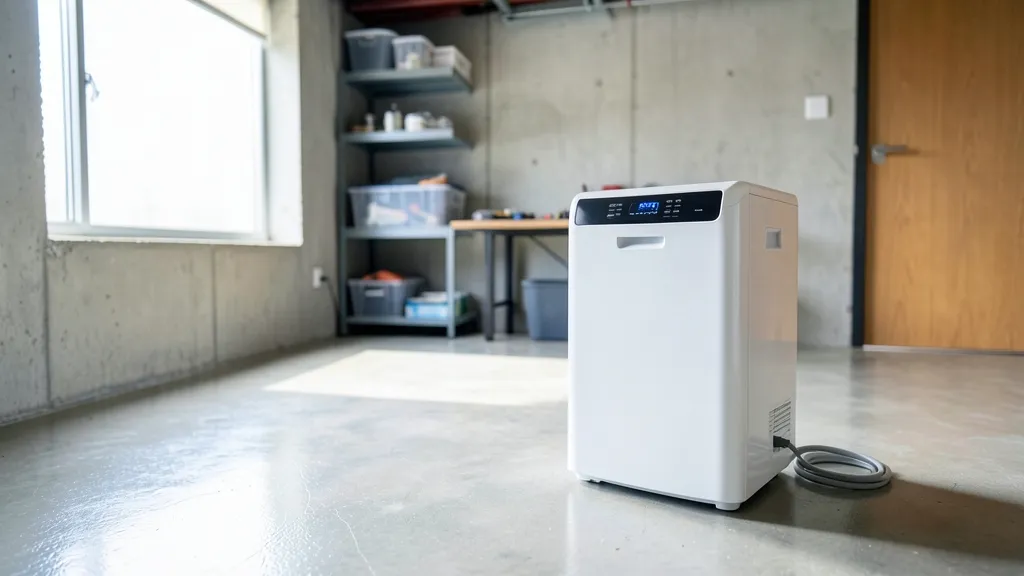
Moisture control is non-negotiable. We address the root cause—leaks, poor drainage, or humidity—with solutions like dehumidifiers, vapor barriers, or improved ventilation, especially in Largo or Seminole homes with older plumbing.
Key Steps After Lab Analysis
- Review lab report for species and spore counts
- Develop a containment and removal plan
- Address moisture sources (leaks, humidity, condensation)
- Verify remediation with post-testing
Mold Testing vs. DIY Kits: What’s the Difference?
Store-bought mold test kits provide limited insights. They often lack the precision to distinguish between species or quantify spore levels accurately.
Professional testing includes a visual inspection, moisture mapping, and strategic sampling. Our team knows where to look—behind baseboards, under carpets, or in HVAC ducts—where DIY kits fall short.
For Indian Rocks Beach properties, professional testing is an investment in accuracy. It ensures we target the right mold with the right methods, saving time and money long-term.
DIY kits can miss hidden mold or misidentify species, leading to incomplete remediation. Always opt for professional mold testing and air quality testing for reliable results.
Preventing Mold Recurrence After Remediation
Post-remediation, we recommend regular humidity monitoring (ideally below 50%) and prompt repairs for water intrusions. Even minor leaks in bathrooms or kitchens can restart the cycle.
In coastal areas, outdoor mold spores are inevitable. HEPA filtration in HVAC systems and routine duct cleaning help keep indoor levels in check.
For commercial properties or multi-unit buildings in Seminole or Largo, we design customized moisture control plans, including sump pumps or crawl space encapsulation.
How to Prepare for Professional Mold Testing in Your Home
A few simple steps ensure accurate results and a smooth process.
- 1Clear the Area
Remove clutter from areas to be tested, especially near suspected mold or water damage. This allows full access to walls, vents, and under furniture.
- 2Avoid Cleaning Before Testing
Don’t disturb visible mold or use air purifiers 24 hours prior. This ensures samples reflect true conditions.
- 3Close Windows and HVAC
Keep windows closed and turn off HVAC systems for at least 12 hours before air sampling to prevent skewed results from outdoor spores.
- 4Note Problem Areas
Point out past water damage, musty odors, or health symptoms to the inspector. This helps target sampling to high-risk zones.
- 5Plan for Pets and Occupants
Arrange for pets and sensitive individuals to stay elsewhere during testing, especially if toxic mold is suspected.
Frequently Asked Questions
How long does it take to get mold lab results in Indian Rocks Beach?
Most labs return results within 3–5 business days. Rush services may shorten this to 24–48 hours for urgent cases, such as after major water damage. We’ll share the report as soon as it’s available and explain the findings in detail.
Can lab analysis tell me if the mold in my home is toxic?
Yes. Labs identify species like Stachybotrys (black mold) or Aspergillus, which are known to produce mycotoxins. The report will flag toxic or allergenic species and their potential health effects, guiding our remediation priorities.
Is mold testing necessary if I can already see mold?
Absolutely. Visible mold is often just the tip of the iceberg. Testing reveals the species, spore concentration, and whether it’s spread to hidden areas like inside walls or ductwork. This ensures we address the full scope of the problem.
What’s the difference between mold testing and air quality testing?
Mold testing focuses specifically on identifying mold species and spore counts in samples from surfaces or air. Air quality testing is broader, measuring pollutants like VOCs, dust, or pollen alongside mold. We often recommend both for a complete picture.
Do I need to leave my home during mold testing?
No, but it’s best to stay out of the sampled areas during collection to avoid disturbing spores. If toxic mold is suspected, we may advise temporary relocation during remediation, especially for vulnerable individuals.
Can mold lab analysis help with insurance claims?
Yes. Detailed lab reports provide documented evidence of mold species and damage, which can support claims for water damage restoration or mold remediation. We’ll provide the necessary paperwork to streamline the process.